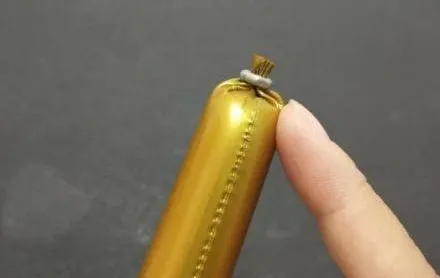
That tiny aluminum ring you often see on the end of a sausage stick may look insignificant, but it actually serves several important purposes—and it’s there by design, not by accident.
For years, many people assumed it was just a cheap way to close the casing, but in reality, it plays a critical role in food safety, production efficiency, preservation, and even flavor consistency
Once you understand why it exists—and why it’s almost always aluminum—you’ll never look at sausages the same way again.
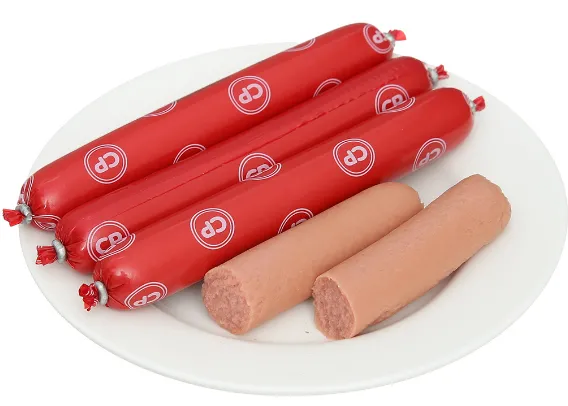
What is the small aluminum ring, really?
The ring is commonly called a
It’s placed at the end of the sausage casing after the meat mixture has been filled inside.
Its primary job is to
You’ll see this ring on:
- Smoked sausages
- Dry-cured sausages
- Sausage sticks and snack sausages
- Commercially produced fresh sausages
In industrial sausage production, this ring is applied using a specialized crimping tool that tightens it precisely without damaging the casing.
What does the aluminum ring actually do?
1. Creates a strong, airtight seal
The most basic function of the ring is to lock the sausage casing shut. This prevents:
- Meat from leaking out
- Air from getting inside
- Moisture from escaping unevenly
An airtight seal is especially important for
2. Maintains sausage shape and density
Sausages rely on internal pressure to keep their firm, uniform shape. The aluminum ring ensures:
- The filling stays compact
- The casing doesn’t loosen during smoking or drying
- Each sausage stick has consistent texture from end to end
Without a strong closure, sausages could sag, wrinkle, or develop air pockets—problems that affect both appearance and mouthfeel.
3. Allows sausages to be hung during smoking and curing
One of the most overlooked but crucial purposes of the aluminum ring is that it acts as a hanging point
In traditional and commercial sausage-making:
- Sausages are hung on rods or hooks
- This allows smoke, air, and heat to circulate evenly
- Gravity helps maintain straight shape during drying
The aluminum ring is strong enough to support the sausage’s weight without tearing the casing, making it ideal for this process.
4. Withstands heat, smoke, and time
Sausages often go through:
- Smoking at high temperatures
- Long drying periods
- Exposure to moisture, salt, and fat
Aluminum holds up extremely well in these conditions. The ring does not melt, deform, rust, or react with the meat—ensuring the seal stays intact from start to finish.
Why aluminum specifically—and not something else?
This is where things get interesting.
Aluminum isn’t chosen randomly; it’s used because it checks every box that sausage production demands.
1. Food-safe and non-toxic
Aluminum is approved for food contact worldwide. It does not:
- Release harmful chemicals
- Affect flavor or smell
- React with fats, salt, or spices
Other metals could corrode or leach into the food, especially during long curing periods.
2. Soft but strong (perfect balance)
Aluminum is malleable, meaning it can be crimped tightly without cracking or cutting through the casing. At the same time, it’s strong enough to:
- Hold pressure
- Support hanging weight
- Stay sealed over time
Steel, for example, is too hard and risks tearing the casing. Plastic lacks strength and heat resistance.
3. Resistant to corrosion
Sausages are salty by nature. Salt is notorious for causing metal corrosion—but aluminum forms a natural oxide layer that protects it from rusting.
This makes it ideal for:
- Dry curing environments
- Humid smokehouses
- Long-term storage
4. Handles heat without deforming
Unlike plastic clips or ties, aluminum won’t:
- Melt
- Warp
- Lose grip
That’s essential during smoking, where temperatures can fluctuate significantly.
5.
Lightweight and cost-effective
Aluminum is inexpensive and easy to mass-produce. For large-scale sausage manufacturers, this means:
- Consistent quality
- Low production cost
- High reliability
Using something more complex or expensive would raise prices without adding benefits.
Why not use string, plastic, or knots?
You might wonder why sausage makers don’t just tie the casing with string or knot it by hand.
While that works in small, traditional settings, it’s not ideal for modern production.
-
String can loosen when exposed to moisture or heat
-
Knots are inconsistent and take longer to apply
-
Plastic clips can melt or crack during smoking
The aluminum ring provides a
Is the aluminum ring safe to eat?
The ring itself is not meant to be eaten, but it is completely safe as long as it’s removed before consumption.
That’s why it’s placed at the very end of the sausage, clearly visible and easy to discard.
A small detail with a big purpose
What looks like a simple aluminum ring is actually a product of decades of food science and manufacturing refinement. It ensures:
- Safety
- Quality
- Shelf stability
- Consistent texture and flavor
Without it, many of the sausages we enjoy today would be harder to produce, easier to spoil, and far less reliable in quality.
So the next time you peel open a sausage stick and notice that tiny aluminum ring, remember: it’s not just a piece of metal—it’s a silent workhorse that helps deliver the sausage exactly as it was meant to be enjoyed.