In the days following reports of the disappearance of Nancy Guthrie, unsettling details emerging from her home in Tucson have drawn growing public attention and concern. According to early accounts, investigators noted what appeared to be possible blood on the front steps, a damaged security camera, and signs that something inside the home may have been disturbed. Taken together, these fragments painted a troubling picture, suggesting that events may have unfolded abruptly and without explanation. Yet despite the unease these details provoke, they remain pieces of a puzzle that has not been fully assembled. What is known is limited, and what is unknown continues to weigh heavily on both the family involved and those following the story from afar.
Authorities have been careful in their public statements, confirming very little while emphasizing that the investigation remains ongoing. Key questions—whose blood was found, how the security camera was damaged, and whether a crime can be definitively established—have not been answered publicly. No suspects have been identified, no motive has been disclosed, and no timeline has been officially confirmed. This lack of clarity has created a vacuum where concern grows but certainty does not. Investigators appear to be proceeding methodically, prioritizing evidence collection and verification over speculation, even as public curiosity intensifies.
For families caught in situations like this, the absence of concrete information can be more distressing than the worst confirmed news. Each unexplained detail becomes a source of renewed anxiety, and every passing day stretches between fear and fragile hope. Familiar spaces, once associated with comfort and routine, can begin to feel foreign when signs of disturbance appear without explanation. The mind fills in gaps instinctively, often imagining outcomes far darker than reality. In these moments, waiting itself becomes a burden, one carried quietly but relentlessly by those closest to the situation.
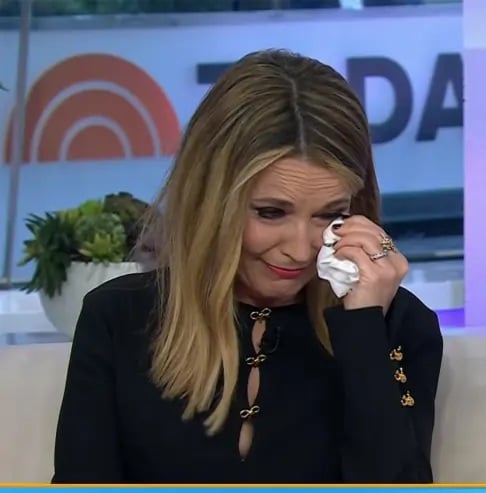
For Savannah Guthrie, a journalist long accustomed to reporting on crises affecting others, the circumstances are profoundly personal. When the roles reverse and the uncertainty enters one’s own life, professional distance offers little protection. While investigators continue their work largely out of public view, Savannah and her loved ones are left navigating the emotional toll of not knowing—an experience familiar to countless families whose stories never make headlines. The public nature of her career adds another layer of strain, as private fear unfolds under the shadow of public attention.
Viewed through a broader lens, situations like this underscore how quickly speculation can outpace verified information. In the absence of confirmed facts, rumors and assumptions often rush in, amplified by social media and sensational headlines. While curiosity is natural, it rarely serves the people most directly affected. Incomplete narratives can unintentionally cause harm, spreading fear or false conclusions before evidence is established. What families need most during these periods is not conjecture, but patience, restraint, and a commitment to accuracy from both authorities and the public.
Officials have stated that the investigation remains active, and until more details are confirmed, many questions will remain unanswered. For now, the case stands as a reminder of how fragile certainty can be, and how quickly ordinary life can be disrupted by unresolved events. It also highlights the importance of compassion during moments of ambiguity—allowing space for facts to emerge while respecting the emotional reality of those waiting for answers. Until clarity arrives, the story remains unfinished, defined not by conclusions, but by the shared hope that truth will eventually replace uncertainty.