Transforming a pantry from a cluttered, stressful storage zone into a calm and functional part of the kitchen is often perceived as an expensive and time-consuming project, yet the reality is far more approachable when guided by intention rather than perfection. Pantries naturally become overcrowded because they hold a wide variety of items with different shapes, sizes, and usage patterns, and without a clear system, even the most spacious pantry can feel chaotic. A budget-friendly approach built around affordable dollar store bins allows this transformation to happen without financial strain while still achieving a polished and cohesive result. The process begins not with shopping, but with mindset, understanding that organization is about supporting daily habits rather than creating a showroom. When the goal shifts from aesthetic pressure to practical clarity, every decision becomes easier, from what to keep to how items should be grouped. An organized pantry reduces friction in everyday routines, turning cooking and meal planning into smoother, more enjoyable experiences. This shift has a psychological benefit as well, as visual order tends to reduce mental overload and promote a sense of control. By committing to a simple, realistic system that prioritizes function, anyone can create a pantry that feels intentional, supportive, and sustainable, regardless of space size or budget limitations.
The foundation of a successful pantry transformation is a complete reset that allows the space to be seen clearly and honestly. Emptying the pantry may feel overwhelming at first, but it is the most important step because it reveals patterns that are otherwise hidden, such as duplicate purchases, forgotten items, and categories that have grown without intention. This process encourages thoughtful decision-making, prompting the removal of expired products, rarely used ingredients, and items that no longer fit current eating habits. Cleaning the shelves thoroughly establishes a fresh starting point and reinforces the sense that this is not just a quick tidy-up but a meaningful reset. Measuring the shelves and understanding their dimensions ensures that future purchases serve the space rather than fight against it. Planning before shopping prevents wasted money and eliminates the frustration of bins that do not fit or function as intended. This stage is also an opportunity to reflect on daily routines, identifying which items are used most frequently and which can be stored less prominently. By taking the time to prepare the space properly, the entire project becomes more efficient and far more likely to succeed long term.
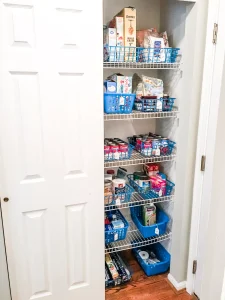
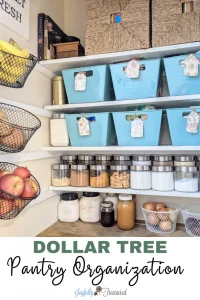
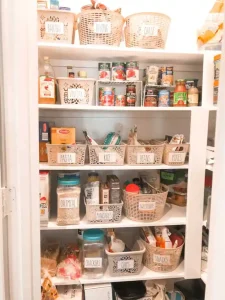
Dollar store bins play a central role in making pantry organization accessible and flexible, proving that affordability does not have to come at the expense of quality or visual appeal. These bins are available in a wide range of styles, from clear plastic and wire designs to woven-look textures and neutral-toned containers that blend seamlessly into various kitchen aesthetics. Their low cost allows for experimentation, making it possible to test different layouts and adjust categories without financial pressure. Choosing bins based on function ensures that each category has a clear purpose, whether it is containing snack items, corralling baking supplies, or organizing canned goods. Clear bins are especially useful for frequently consumed items because they provide instant visibility, reducing the likelihood of overbuying or forgetting what is already on hand. Handles add convenience, especially on deep shelves, while stackable designs maximize vertical space without creating clutter. When selected thoughtfully, dollar store bins create consistency across the pantry, which visually mimics high-end organization systems while remaining entirely budget-friendly.
Intentional categorization is what transforms a collection of bins into a cohesive system rather than just contained clutter. Grouping items by use rather than by type often yields the most practical results, such as keeping breakfast items together or dedicating a section to quick meals and snacks. Refining categories into smaller, more specific groupings prevents overcrowding and makes it immediately clear where items belong. Labeling reinforces this clarity, eliminating guesswork and ensuring that the system works for everyone in the household, not just the person who set it up. Labels do not need to be elaborate or expensive; consistency and readability matter far more than style. Placement within the pantry should reflect daily habits, with frequently used items kept at eye level and heavier items stored lower for safety. Creating zones within the pantry establishes a natural flow that aligns with cooking routines, reducing the time and energy spent searching for ingredients. This thoughtful arrangement turns the pantry into an intuitive workspace rather than a storage afterthought.
Customization is what makes a pantry organization system truly sustainable, as no two households have identical needs or routines. Families may benefit from lower snack bins that encourage independence, while individuals with limited space might rely more heavily on vertical storage or over-the-door solutions. Aesthetic preferences can also be honored without increasing costs, whether through neutral color palettes, rustic textures, or minimalistic clear designs. The key is to ensure that visual choices do not interfere with functionality. Personal touches, such as handwritten labels or small decorative elements, can make the pantry feel inviting rather than clinical. Adapting the system to evolving habits is equally important, as dietary changes, family size, and schedules shift over time. A flexible, affordable setup makes it easier to adjust without starting over. When the pantry reflects real-life use rather than an idealized image, it becomes a space that naturally stays organized because it aligns with how people actually live.
Maintaining an organized pantry does not require constant effort or strict rules, but rather small, consistent habits that prevent clutter from rebuilding. A brief weekly check to return items to their designated bins and wipe down shelves helps preserve order with minimal time investment. Periodic reassessment ensures that the system continues to serve current needs, allowing categories to expand, shrink, or shift as necessary. The long-term benefits of an organized pantry extend beyond convenience, influencing grocery spending, food waste, and overall kitchen efficiency. When items are visible and accessible, shopping becomes more intentional, meals become easier to plan, and less food is forgotten or discarded. There is also a subtle sense of satisfaction that comes from opening a pantry that feels calm and purposeful, reinforcing the idea that thoughtful organization is an act of self-care rather than a luxury. Through simple tools, affordable bins, and intentional planning, a pantry can become one of the most supportive spaces in the home, proving that effective organization is achievable for anyone willing to approach it with patience and clarity.