Parenting teenagers is often described as a complex mix of love, responsibility, confusion, and constant vigilance. As children grow into adolescents, the parenting dynamic changes in ways that can feel both exciting and unsettling. Teens begin to seek independence, privacy, and personal space, while parents remain deeply invested in their safety and well-being.
This transition can create moments of uncertainty. A quiet room, a closed door, or an unexpected change in behavior can trigger a sudden surge of concern. Many parents have experienced that instinctive rush of worry—the kind that makes you stop what you’re doing and check on your child immediately.
One evening, I experienced that exact moment. My teenage daughter had been unusually quiet. Her bedroom door was closed, and there were none of the usual sounds—no music, no laughter, no phone notifications. The silence was so complete that my imagination quickly filled the void with worst-case scenarios.
Within seconds, I was standing outside her door, heart racing. Without thinking, I pushed the door open.
Inside, I discovered something completely ordinary.
She was lying on her bed, headphones in, scrolling through her phone—perfectly relaxed and entirely unaware of the panic that had just unfolded in my mind.
That moment made me realize something important about parenting teenagers: sometimes the biggest emotional storms exist only in a parent’s imagination. Yet those reactions are not unusual. In fact, psychologists say they are deeply rooted in human biology and the powerful instinct to protect one’s children.
Understanding why parents react this way—and how to manage those moments of sudden fear—can help families build healthier communication and stronger trust during the teenage years.
The Hidden Meaning / Significance
Why Parental Instinct Can Trigger Sudden Panic
Parents are biologically wired to protect their children. From infancy through adolescence, adults constantly monitor potential risks that could affect their child’s safety or well-being.
Even as children grow older and become more independent, that protective instinct rarely fades.
Researchers studying parenting behavior often link these reactions to the brain’s threat-detection system. When parents perceive a possible danger—even something as small as unusual silence—the brain may quickly activate a fight-or-flight response.
The brain doesn’t always distinguish between real threats and imagined ones. In a moment of uncertainty, it tends to assume the worst.
That’s exactly what happened in my situation.
My daughter’s silence wasn’t dangerous at all. She was simply relaxing in her room.
But in those few seconds outside her door, my mind had already created a series of alarming possibilities.
The Role of Responsibility in Parental Anxiety
Another reason parents sometimes react strongly to small signals is the immense responsibility they feel toward their children.
Parents know that their decisions and actions can directly affect their child’s safety. Because of that responsibility, many adults become highly sensitive to anything that feels unusual.
Psychologists often refer to this as protective vigilance—a heightened awareness that helps parents respond quickly to potential problems.
While this instinct can be extremely helpful in emergencies, it can also lead to overreactions when situations turn out to be harmless.
For example, parents may worry when:
- A teen suddenly becomes quiet
- A bedroom door stays closed longer than usual
- A child stops responding to messages
- A routine behavior changes unexpectedly
In many cases, the explanation is simple: the teenager is studying, relaxing, or enjoying time alone.
But because the brain prioritizes safety, it sometimes jumps to the most alarming conclusions first.
Why Teenagers Often Appear Mysterious
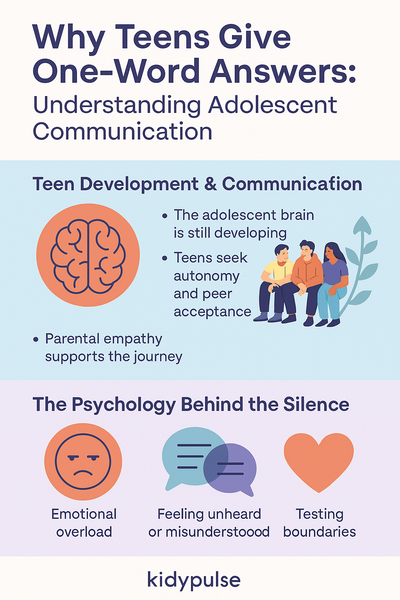
Teenagers naturally seek privacy and independence as they mature. This developmental stage often includes:
- Spending more time alone
- Communicating more with friends than parents
- Listening to music or wearing headphones
- Closing their bedroom doors
While these behaviors are normal parts of adolescence, they can occasionally make parents feel disconnected or uncertain.
When parents are unsure what their teens are doing, their imagination may begin filling in the blanks.
Understanding this dynamic can help families navigate these moments with more patience and empathy.
Practical Implications for Parents and Families
Recognizing the Difference Between Instinct and Anxiety
Parental instinct is valuable, but it’s important to recognize when instinct shifts into unnecessary anxiety.
Experts from the American Academy of Pediatrics emphasize that maintaining open communication with teenagers can significantly reduce misunderstandings.
Parents who talk regularly with their teens about daily routines and emotional well-being often feel more confident about their child’s safety.
Instead of assuming something is wrong, parents can practice pausing briefly to consider more likely explanations.
For example:
- Is my teen studying?
- Are they relaxing after a long day?
- Could they be listening to music or watching videos?
Taking a moment to reflect can prevent unnecessary panic.
Building Healthy Communication with Teenagers
Teenagers often respond best to calm, respectful communication rather than sudden confrontation.
If a parent bursts into a room out of panic, the teen may feel startled or confused.
A better approach is to create an environment where checking in feels natural rather than alarming.
Parents can encourage open dialogue by:
- Asking about their teen’s day regularly
- Showing genuine interest in their activities
- Respecting their privacy when appropriate
- Being available when teens want to talk
The National Institute of Mental Health notes that supportive communication helps teens feel comfortable sharing concerns with parents.
When teens trust that conversations will remain calm and respectful, they are more likely to open up.
Managing Parental Stress
Parenting teenagers can sometimes feel emotionally demanding. Parents may juggle work responsibilities, household duties, and concerns about their children’s futures.
These stressors can amplify reactions to small events.
Learning to manage stress can help parents respond more calmly in uncertain situations.
Helpful strategies may include:
- Taking a few deep breaths before reacting
- Pausing to assess the situation logically
- Reminding yourself that most situations are harmless
- Practicing mindfulness or relaxation techniques
These habits can help parents maintain emotional balance even when unexpected moments arise.
Historical / Cultural Context
How Parenting Styles Have Evolved


Parenting styles have evolved significantly over the past several decades.
In earlier generations, parenting often focused on authority and discipline. Communication between parents and children tended to be more formal, and teenagers were expected to follow strict household rules.
Today, many families prioritize open communication and emotional support.
Modern parenting approaches encourage parents to understand their children’s perspectives while still providing guidance and structure.
Organizations such as the American Psychological Association emphasize the importance of balancing independence and support during adolescence.
This balance allows teenagers to develop confidence while still knowing their parents are available when needed.
The Impact of Technology on Teen Behavior
Another factor influencing modern parenting is technology.
Today’s teenagers spend significant time using smartphones, social media, and digital entertainment. Activities that once occurred in public spaces—such as chatting with friends—now often take place privately online.
This shift can sometimes make teens appear quieter or more withdrawn than previous generations.
However, silence in a teen’s bedroom doesn’t necessarily mean something is wrong.
Often, it simply means they are engaging with digital content, listening to music, or communicating with friends through messaging apps.
Understanding these habits can help parents interpret behavior more accurately.
Adolescence as a Time of Growth
Adolescence is a critical stage of development.
During these years, teenagers begin forming their identities, exploring independence, and learning how to manage responsibilities.
While parents may feel protective during this stage, experts agree that giving teens appropriate freedom helps them build confidence and problem-solving skills.
Moments like the one I experienced—bursting into my daughter’s room out of panic—can serve as reminders that trust and patience are essential parts of the parenting journey.
Tips, Insights, or Takeaways
Pause Before Reacting


When parents feel sudden worry, the best first step is often to pause.
A brief moment of reflection can prevent unnecessary panic and help parents approach situations more calmly.
Ask yourself:
- Is there clear evidence something is wrong?
- Could there be a simple explanation?
- Am I reacting to fear rather than facts?
This quick mental check can make a big difference.
Encourage Openness Without Invading Privacy
Teenagers value independence and personal space.
Parents can respect that independence while still maintaining awareness by encouraging regular conversations.
Simple daily check-ins such as asking about school, friends, or hobbies can keep communication flowing naturally.
When teens feel respected, they are more likely to share important information willingly.
Remember That Silence Is Often Normal
One of the most reassuring lessons for many parents is that quiet moments are not always signs of trouble.
Sometimes teenagers simply want time alone to relax, listen to music, or unwind after a long day.
Recognizing this can reduce unnecessary worry.
Trust the Relationship You’ve Built
Strong parent-teen relationships are built over years of care, guidance, and shared experiences.
When parents trust that foundation, they can feel more confident about giving teenagers the space they need to grow.
Trust does not mean ignoring concerns—it means balancing vigilance with understanding.
Additional High-Value Keywords for SEO
- parenting teenagers tips
- understanding teen behavior
- parent teen communication strategies
- managing parental anxiety
- teenage independence and privacy
- family communication skills
- healthy parenting habits
- supporting teen mental health
- modern parenting challenges
These keywords frequently appear in searches related to family wellness, mental health, parenting advice, and adolescent development, making them valuable for educational and lifestyle content.
Conclusion
The moment I burst into my daughter’s room in panic turned out to be far less dramatic than I had imagined. Instead of a crisis, I found a typical teenage scene—headphones, a phone, and a quiet evening of relaxation.
Yet that brief experience revealed something meaningful about parenting.
Parents care deeply about their children’s safety, and that concern can sometimes lead to quick reactions fueled by imagination rather than reality.
Understanding how parental instincts work can help families navigate these moments with greater calm and perspective.
By encouraging open communication, respecting independence, and pausing before assuming the worst, parents can create a home environment built on trust and understanding.
And sometimes, the quiet behind a teenager’s closed door simply means they’re doing exactly what teenagers have always done—taking a little time to themselves.

