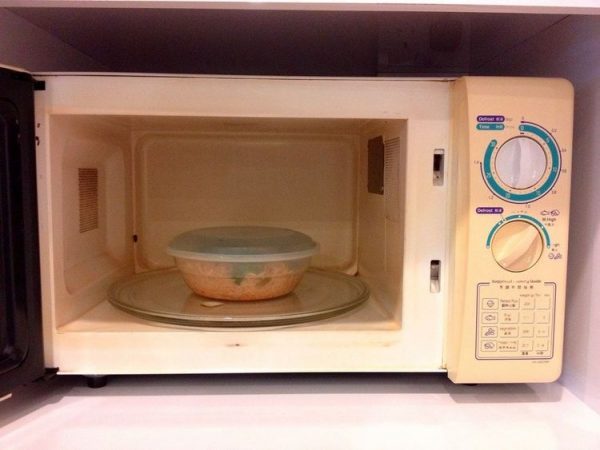
Plastic food containers are ubiquitous in modern kitchens, valued for convenience, durability, and affordability. Yet medical professionals and researchers have long expressed concern about the chemical compounds these containers often contain. Among the most studied are bisphenol A (BPA) and phthalates, which are used in manufacturing to harden or soften plastic, respectively. While initial warnings focused largely on microwaving food in plastic containers, subsequent research has revealed that the risks extend far beyond heating. Chemicals can leach into food even at room temperature, especially with prolonged storage or exposure to acidic or fatty foods, meaning that everyday use can pose health risks that accumulate over time.
BPA, once widely used in rigid plastics and the linings of canned goods, has been shown to mimic estrogen in the body. This endocrine-disrupting property can interfere with hormonal balance, potentially altering puberty timing, reducing fertility, increasing body fat, and even affecting immune and neurological development. Phthalates, commonly used to increase flexibility in plastics, present a parallel concern. They have been linked to childhood obesity, malformations in male genital development, and long-term cardiovascular issues. Both chemicals are particularly dangerous for children and pregnant women, as early exposure can have lifelong consequences. Studies indicate that even low-level, chronic exposure can subtly influence metabolic and reproductive health in ways that are difficult to reverse.
The dangers are not confined to microwaving food in plastic containers, as was once believed. BPA and phthalates can leach from containers during ordinary storage, through contact with warm foods, or when plastics are scratched or aged. Acidic foods, such as tomato sauces, or fatty foods, like cheeses and oils, can accelerate chemical migration into food. Furthermore, repeated use of the same plastic containers over time can degrade the material, increasing the likelihood of exposure. These findings challenge the common assumption that plastics are inert under normal household conditions, highlighting that everyday convenience may come at an unseen health cost.
Recognizing these risks, many experts now recommend avoiding plastic containers for hot or warm foods entirely. Alternatives include glass, stainless steel, and certain food-safe ceramics, all of which are free from endocrine-disrupting chemicals and do not leach toxins into food. Glass containers are non-reactive and durable, making them ideal for both storage and reheating. Stainless steel provides a lightweight, long-lasting option, particularly for on-the-go meals. Even for cold food storage, rotating away from older plastics and ensuring containers are labeled BPA-free can reduce potential exposure. Families with young children should be especially vigilant, as their developing systems are far more sensitive to chemical interference.
Beyond individual container choices, broader awareness about food packaging is also critical. Many processed foods and canned products still rely on plastics or BPA-containing linings. Reading labels, opting for fresh foods when possible, and selecting packaging alternatives can help minimize cumulative exposure. Advocacy for better regulation of plastics and public education campaigns about chemical safety can further reduce the risk to vulnerable populations. While total elimination of exposure may be challenging in modern life, conscious choices in food storage, preparation, and material selection make a significant difference over time.
Ultimately, the evidence is clear: plastics, once considered a convenient and harmless part of the kitchen, carry hidden risks that can affect human health in profound ways. BPA and phthalates are not inert; they interact with the body, particularly the hormonal system, with potentially lasting consequences. Families seeking to protect themselves and their children should transition to safer materials, avoid heating or storing hot foods in plastic, and remain informed about emerging research. By making informed decisions, we can reduce chemical exposure, safeguard long-term health, and create a home environment that prioritizes safety without sacrificing practicality or convenience.